




Healthwatch by Shyft

Looking for advice on plant based diets?
Leave your details & our team will help you set up a consult
Sonali Sachdeva

Nutritionist | 22 Yrs. of experience

Sakina Hashmi

Nutritionist | 7 Yrs. of experience

Abhilasha Sharma

Nutritionist | 5 Yrs. of experience

Enter your details

Beyond Meat: Can a Vegan Diet Provide All the Nutrients You Need?

Beyond Meat: Can a Vegan Diet Provide All the Nutrients You Need?
Content
Content

In recent years, veganism has gained a lot of popularity worldwide, and many people are switching to a plant-based diet. One of the main concerns that people have when considering a vegan diet is whether it can provide all the necessary nutrients for their bodies. In this blog, we’ll explore whether a vegan diet can help you meet all your nutritional needs.

What is a vegan diet?

Before diving into the nutritional aspects of a vegan diet, it’s important to understand what it entails. A vegan diet is a plant-based diet that excludes all animal products, including meat, dairy, eggs, and honey. Instead, vegans rely on fruits, vegetables, grains, legumes, nuts, and seeds for their nutritional needs.

The benefits of a vegan diet

A well-planned vegan diet can provide many health benefits, including a lower risk of heart disease, type 2 diabetes, and certain types of cancer. It can also help in maintaining a healthy weight and improving digestion.

Can a vegan diet provide all the necessary nutrients?

Now let’s get to the main question – can a vegan diet provide all the necessary nutrients for your body? The answer is yes, but it requires careful planning and attention to ensure that you are getting all the essential nutrients your body needs.

Protein

Protein is essential for building and repairing tissues, and it’s a common concern that vegans may not get enough protein in their diet. However, it’s entirely possible to get enough protein from plant-based sources such as legumes, nuts, seeds, and soy products. For example, a cup of cooked lentils contains about 18 grams of protein, and a cup of cooked quinoa contains about 8 grams of protein. According to the Dietary Reference Intake report for macronutrients, a sedentary adult should consume 0.8 grams of protein per kilogram of body weight, or 0.36 grams per pound. That means that the average sedentary man should eat about 56 grams of protein per day, and the average woman should eat about 46 grams.

Iron

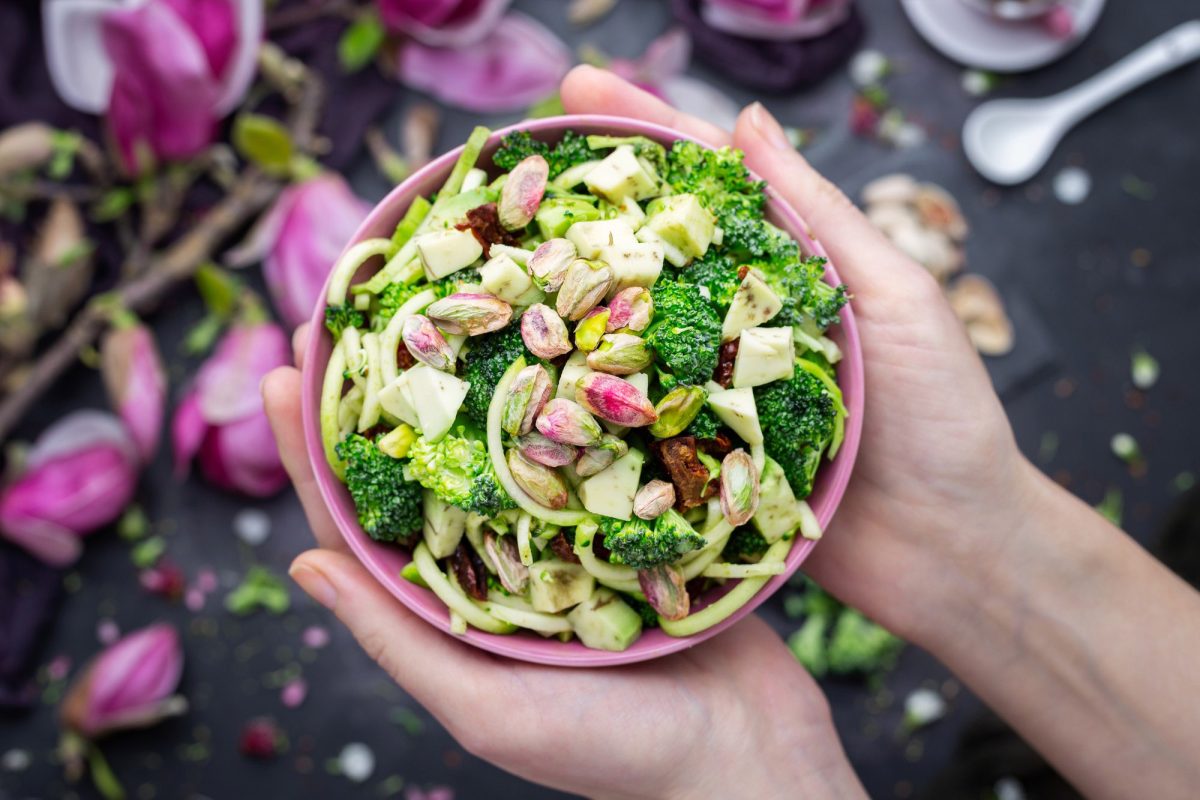
Iron is essential for the production of red blood cells and for transporting oxygen throughout the body. Plant-based sources of iron include legumes, nuts, seeds, whole grains, and dark leafy greens. However, the type of iron found in plant-based foods is not as easily absorbed as the iron found in animal products. To enhance iron absorption, it’s recommended to consume iron-rich foods with vitamin C-rich foods, such as citrus fruits, bell peppers, and broccoli.
Calcium

Calcium is important for strong bones and teeth, and it’s commonly found in dairy products. However, there are plenty of plant-based sources of calcium, such as kale, collard greens, broccoli, almonds, and fortified plant milk. It’s also important to note that some fortified plant milk may contain more calcium than dairy milk.

Vitamin B12

Vitamin B12 is essential for maintaining healthy nerve cells and producing DNA. It’s naturally found in animal products, so it can be challenging for vegans to get enough of it in their diet. However, there are many vegan-friendly sources of B12, such as fortified cereals, plant milk, and nutritional yeast. It’s also recommended to take a B12 supplement to ensure that you’re getting enough of this important nutrient.

Omega-3 fatty acids

Omega-3 fatty acids are important for brain function and reducing inflammation in the body. They’re commonly found in fatty fish, but there are vegan sources of omega-3s such as flaxseeds, chia seeds, walnuts, and algae-based supplements.

Final thoughts

A well-planned vegan diet can provide all the necessary nutrients for your body. However, it requires careful planning and attention to ensure that you’re getting enough protein, iron, calcium, vitamin B12, and omega-3 fatty acids. It’s essential to eat a variety of whole foods and incorporate fortified foods and supplements where necessary to meet your nutritional needs.

If you’re considering a vegan diet, it’s important to consult with a healthcare professional or a registered dietitian to ensure that you’re making the necessary adjustments to your diet and meeting your nutritional needs. They can also guide meal planning and help you create a balanced and healthy vegan diet.

It’s also worth noting that a vegan diet may not be suitable for everyone, particularly those with certain medical conditions or nutritional deficiencies. Therefore, it’s important to consult with a healthcare professional before making any significant dietary changes.


Author:
Shyft Health

Shyft

linkedin
Shyft is your trusted source for health and wellness insights. We collaborate with a network of writers and health experts to curate evidence-based content. This content is further vetted and reviewed by our team of internal experts. Our platform is dedicated to providing you with reliable, accessible health information so you can make informed choices for a healthier life. read more

Over 20,000 customers have reduced their symptoms and improved their health by consulting Shyft's Clinical Nutritionists. When are you starting?

READ MORE ON :

Article By:

Read more

Continue to read on a range of topics related to Exercise, Nutrition, Mental Health and Sleep Health.

The Uric Acid Dilemma: Tips for a Low-Purine Diet

Uric acid is a waste product that forms in our bodies when we break down purines, which are found in certain foods. In some people, high uric acid levels can lead to painful gout attacks. However, dietary changes can help manage these levels. In this article, we'll explore tips for a low-purine diet and how to make healthy food choices to manage uric acid levels. Understanding Purines and Uric Acid Purines are naturally occurring substances in many foods, including organ… Read more

Featured

The Uric Acid Dilemma: Tips for a Low-Purine Diet

The Uric Acid Dilemma: Tips for a Low-Purine Diet

Uric acid is a waste product that forms in our bodies when we break down purines, which are found in certain foods. In some people, high uric acid levels can lead to painful gout attacks. However, dietary changes can help manage these levels. In this article, we'll explore tips for a low-purine diet and how to make healthy food choices to manage uric acid levels. Understanding Purines and Uric Acid Purines are naturally occurring substances in many foods, including organ…

book

3 minutes

|

calendar

05 Apr 2023

Featured

Fats That Are Good For You: Why You Need Them In Your Diet

Fats are often considered the enemy of a healthy diet. However, not all fats are bad for you. In fact, healthy fats are an essential component of a well-balanced diet. Consuming the right kind and amount of fats can improve your heart health, brain function, and overall well-being. In this blog, we will discuss the importance of healthy fats in your diet, their sources, and how to incorporate them into your meals. What are Fats? Fats are a type of… Read more

Editor’s pick

Fats That Are Good For You: Why You Need Them In Your Diet

Fats That Are Good For You: Why You Need Them In Your Diet

Fats are often considered the enemy of a healthy diet. However, not all fats are bad for you. In fact, healthy fats are an essential component of a well-balanced diet. Consuming the right kind and amount of fats can improve your heart health, brain function, and overall well-being. In this blog, we will discuss the importance of healthy fats in your diet, their sources, and how to incorporate them into your meals. What are Fats? Fats are a type of…

book

4 minutes

|

calendar

29 Jul 2023

Editor’s pick

5 Healthy Breakfasts to Try for PCOS

3 minutes

06 Apr 2023

5 Healthy Breakfasts to Try for PCOS

Eating habits are impacted the most during PCOS. You must determine what triggers your symptoms and how to manage your calorie intake. It's not easy to follow a strict diet immediately, but you can start by gradually adding healthy and easy things to make. Now breakfast is one of the most important meals of the day, so starting with a healthy breakfast can be an excellent way to begin your PCOS diet. In this blog, we have listed 5 healthy… Read more

5 Healthy Breakfasts to Try for PCOS

5 Healthy Breakfasts to Try for PCOS

Eating habits are impacted the most during PCOS. You must determine what triggers your symptoms and how to manage your calorie intake. It's not easy to follow a strict diet immediately, but you can start by gradually adding healthy and easy things to make. Now breakfast is one of the most important meals of the day, so starting with a healthy breakfast can be an excellent way to begin your PCOS diet. In this blog, we have listed 5 healthy…

book

3 minutes

|

calendar

06 Apr 2023

Pescatarian Diet

4 minutes

23 Jul 2023

Pescatarian Diet

Are you a fan of seafood? Is healthy weight loss your goal? Looking for a non-phoney sustainable diet that is flexible? If yes, then the Pescatarian diet is right up your alley. What is The Pescatarian Diet? Pescetarianism is a vegetarian diet with an inclusion of fish and other seafood. This diet stresses fish and seafood as the main sources of protein while the remaining snacks and meals reflect a plant-based diet that is characteristic of the Mediterranean diet. There… Read more

Most read

Pescatarian Diet

Pescatarian Diet

Are you a fan of seafood? Is healthy weight loss your goal? Looking for a non-phoney sustainable diet that is flexible? If yes, then the Pescatarian diet is right up your alley. What is The Pescatarian Diet? Pescetarianism is a vegetarian diet with an inclusion of fish and other seafood. This diet stresses fish and seafood as the main sources of protein while the remaining snacks and meals reflect a plant-based diet that is characteristic of the Mediterranean diet. There…

book

4 minutes

|

calendar

23 Jul 2023

Most read

Checkout some healthy recipes that taste good, approved by our nutritionists

View all
Understanding Metabolism

Baked Feta Chickpeas

A simple, delicious & healthy meal - a fantastic appetizer or meal on its own.

11 INGREDIENTS

|

60 MINS.

Understanding Metabolism

Cheese Soup

A creamy blend of cheese & vegetables perfect for a cold winter day!

9 INGREDIENTS

|

30 MINS.

Understanding Metabolism

Whole Wheat Waffles

Crisp, light and super easy-to-make waffles - no one will ever suspect they're made with 100% whole wheat flour!

11 INGREDIENTS

|

15 MINS.

Understanding Metabolism

Vegetable Frankie

Spiced vegetables wrapped in chappati - a satiating snack that can be relished even on the go!

6 INGREDIENTS

|

30 MINS.

Understanding Metabolism

Beetroot Chilla

A nutrient dense recipe with added benefits of beetroot & gram flour.

7 INGREDIENTS

|

30 MINS.

Understanding Metabolism

Spinach Khichdi

A wholesome dish made with lentils, rice and spinach

13 INGREDIENTS

|

45 MINS.

Understanding Metabolism

Omlette Curry

An appetizing curry made with cut pieces of egg omelette

9 INGREDIENTS

|

30 MINS.

Understanding Metabolism

Apple Ginger Chutney

Zesty peppery and sweet, with a pungent and spicy aroma

7 INGREDIENTS

|

30 MINS.

View all